 Skip to content
Dry Skin Treatment in Richmond, VA
Understanding Dry Skin and Why It Matters
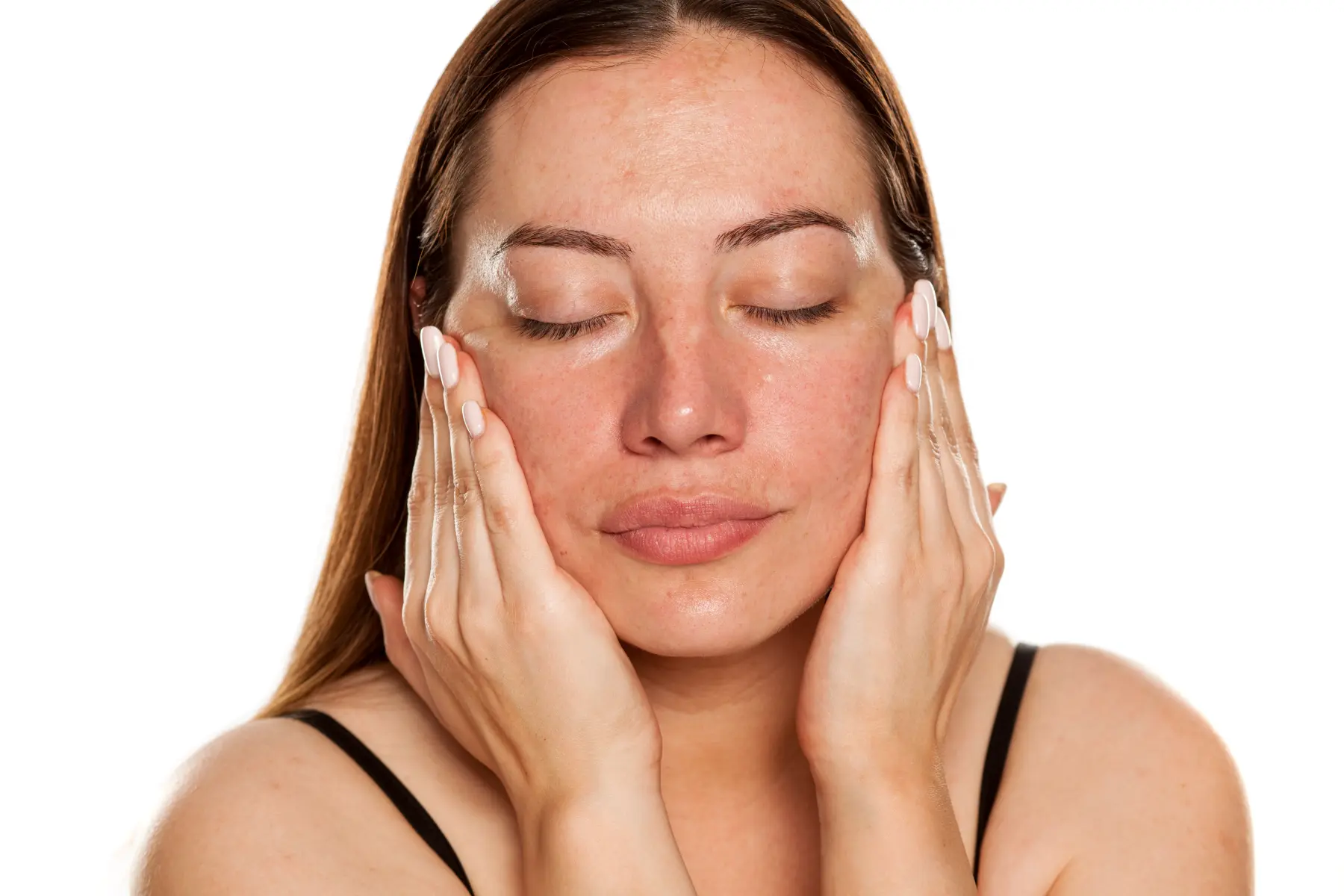
Dry skin, also known as xeroderma, is one of the most common skin concerns affecting people of all ages. While it may seem minor, persistent dryness can lead to irritation, itching, flaking, or even infection when left untreated. Over-the-counter lotions may provide temporary relief, but many people find that the condition returns or worsens due to underlying medical causes or environmental triggers.
At Commonwealth Dermatology in Richmond, VA, our team helps patients identify the underlying cause of their dry skin and provides personalized treatment options to restore comfort and promote skin health.
Comprehensive Treatment Options for Dry Skin:
Lifestyle and Home Care
Over-the-Counter Relief
Moisturizers containing petroleum jelly, ceramides, or hyaluronic acid are often recommended for use. These products lock in hydration and help restore skin balance. Fragrance-free products are best to avoid additional irritation.
Prescription Treatments
Supportive Care and Supplements
Benefits of Dry Skin Treatments:
Relief from itching, redness, and discomfort.
Prevention of cracking and infection.
Improved skin texture and hydration.
Personalized treatment based on cause and severity.
Long-term management strategies to reduce recurrence.
How Dry Skin Treatments Work:
Consultation and Diagnosis:
A dermatologist evaluates your medical history, lifestyle, and symptoms to determine the underlying cause of your condition. In some cases, lab tests may be ordered to check for underlying conditions.
Personalized Treatment Plan:
Depending on the findings, treatment may include topical creams, lifestyle adjustments, or prescription medication.

Follow-Up Care:
For patients with chronic conditions, regular follow-ups ensure progress and allow adjustments as needed.
Ongoing Prevention:
Education on skin care routines and triggers helps maintain long-term results.
Who Is an Ideal Candidate?

Individuals with persistent dryness that does not improve with over-the-counter products.
Patients experiencing redness, itching, or scaling that interferes with daily comfort.
Those with suspected underlying conditions such as eczema, psoriasis, or thyroid disorders.
Individuals who have tried home remedies without lasting results.
Patients seeking professional guidance to prevent flare-ups and improve skin appearance.
Before & After Your Appointment:
Before Your Treatment:
Avoid harsh soaps and long, hot showers, as they strip away natural oils and exacerbate tightness.
Skip heavily fragranced products that often trigger irritation.
Pay attention to when dryness flares, such as during seasonal changes or after using specific products.
After Your Treatment:
Use prescribed or recommended creams exactly as directed to prevent symptoms from returning.
Moisturize daily to relieve itchiness and maintain skin comfort.
Protect skin from weather extremes, which often trigger painful dryness.
Schedule regular dermatology visits if dryness is associated with a medical condition to ensure issues are regularly monitored.
Frequently Asked Questions
What causes dry skin?
Dry skin can be caused by aging, environmental exposure, the use of harsh soaps, or medical conditions such as eczema, psoriasis, thyroid disorders, or diabetes. Determining the root cause is key to effective treatment.
When should I see a dermatologist for dry skin?
If dryness does not improve with over-the-counter moisturizers, if you experience severe itching, redness, cracking, or if dry skin interferes with daily life, it is time to see a dermatologist.
Can dry skin be permanently cured?
Dry skin often requires ongoing management rather than a permanent cure. With proper care and professional guidance, symptoms can be effectively controlled, and flare-ups can be minimized.
What are the best moisturizers for dry skin?
Fragrance-free creams or ointments with ceramides, hyaluronic acid, or petroleum jelly are usually recommended. Your dermatologist may suggest prescription-strength options if needed.
Does diet affect dry skin?
Yes. Hydration and specific nutrients, such as omega-3 fatty acids found in fish oil, may support skin health. A dermatologist can advise you on whether dietary changes or supplements may be beneficial.
Schedule Your Consultation
Are you ready to take the next step?
Get In Touch
To request an appointment, please fill out the form below and we will contact you about availability. Please allow us up to 48 hours to process your request.